Cybersecurity Technologies – Let’s face it — cybersecurity can feel like one of those “out of sight, out of mind” things. You know it’s important, but when you’re running a business, managing a home network, or just living your daily life, it’s easy to push the thought of hacking and viruses to the back of your mind. That is, until something goes wrong. Trust me, I’ve been there. I remember the first time I got hit with a ransomware attack. I had all my files locked, and suddenly, my personal and business life came to a screeching halt. After that, I was determined to take my cybersecurity game to a whole new level.
If you’ve been thinking about securing your digital world, now is the time to take action. Cyberattacks are getting more sophisticated every day, and they target everyone from small businesses to large corporations, even individuals. But here’s the thing: the right cybersecurity technologies can protect you from a lot of the headaches and financial fallout. Let me walk you through five essential cybersecurity technologies that, based on my own experiences, you should implement ASAP. Trust me, you’ll be glad you did.
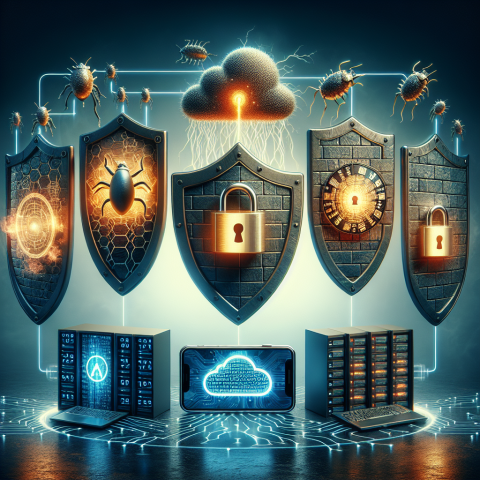
Table of Contents
Toggle5 Essential Cybersecurity Technologies You Should Implement Now
1. Firewall Protection (The First Line of Defense)
A firewall is like the security guard at the door, deciding who gets in and who stays out. It’s one of the most basic yet essential pieces of cybersecurity technology you can implement, whether you’re securing your home network or your business’s infrastructure.
I learned this lesson the hard way. A while back, I had a very basic router setup, and I didn’t think much about firewalls. After all, I had antivirus software, so I felt like I was covered. That was until I noticed unusual activity on my network. Someone had managed to slip past my defenses. That’s when I realized a router’s built-in firewall simply wasn’t enough. I upgraded to a more robust firewall solution, and boom—immediate peace of mind.
Tip: Make sure you’re using a firewall that’s specifically designed for your network. If you’re running a business, consider investing in a hardware firewall, not just software. It offers stronger protection.
2. Encryption (Locking Down Your Data)
Encryption is one of those “set it and forget it” types of technologies that you don’t realize how important it is until you need it. If you’re storing sensitive data like customer information, financial records, or even personal files, encryption ensures that even if your data gets intercepted, it’s unreadable without the right decryption key.
I made the mistake of underestimating how vulnerable unencrypted data could be. Once I understood the risks, I made it a priority to encrypt my files, both on my devices and in the cloud. I also pushed my team to do the same when handling sensitive client data. Let me tell you, it’s like adding a second lock on the door that hackers just can’t pick.
Tip: Use full-disk encryption on all your devices. For cloud storage, ensure the service you’re using encrypts your files both in transit and at rest. And don’t forget about encryption for email communications, especially when you’re sharing sensitive information.
3. Multi-Factor Authentication (MFA) (Because Passwords Aren’t Enough)
Passwords are, unfortunately, not as secure as we’d like to think. A few years ago, I had the “bright idea” to use a simple, easy-to-remember password for all my accounts. You can guess how that ended—yes, I was hacked. Lesson learned, though. Nowadays, multi-factor authentication (MFA) is non-negotiable. MFA requires two or more pieces of evidence (like a password plus a code sent to your phone) to verify your identity, making it exponentially harder for hackers to gain access.
The best part? It’s easy to set up. I set up MFA on my email, bank accounts, and social media, and it was a game-changer. While you can never be 100% safe from hackers, MFA is one of the most effective ways to protect yourself from account takeovers.
Tip: Whenever possible, enable MFA on all your accounts. If you’re worried about forgetting codes, use an authenticator app (like Google Authenticator) rather than relying on SMS, which can be intercepted.
4. Antivirus and Anti-Malware Software (The Basics)
I know, I know — antivirus software seems like something you should have had installed yesterday, but hear me out. Antivirus and anti-malware programs are your first line of defense against viruses, trojans, spyware, and all kinds of other nasty software that can compromise your system.
When I first started taking cybersecurity seriously, I went for the most well-known antivirus brand. But as I started getting deeper into the world of tech, I realized that not all antivirus programs are created equal. Some are better at detecting newer threats, while others focus more on basic protection. After a bit of trial and error, I found an antivirus solution that offered real-time scanning and frequent updates—critical for staying on top of emerging threats.
Tip: Don’t just install antivirus software and forget about it. Keep it up-to-date and run scans regularly. Also, consider adding anti-malware software as an extra layer of protection.
5. Backup Systems (Be Ready for the Worst)
I can’t stress enough how crucial it is to have backups of your important data. After my ransomware incident (yes, it’s an ongoing theme here), I realized that no matter how much you protect your systems, disasters can still happen. That’s when I learned that having a backup system—preferably an automated, offsite backup—was an absolute must.
Now, I have a solid backup strategy that includes daily cloud backups of all critical data, as well as physical backups on an external drive. In the event of a system failure, ransomware attack, or data loss, I can restore my files quickly and without hassle. It’s peace of mind that’s absolutely worth the investment.
Tip: Use the 3-2-1 backup rule: three total copies of your data, two stored locally (but on different devices), and one stored offsite or in the cloud. That way, no matter what happens, you’ve got options.
To sum it up, cybersecurity isn’t something you can afford to put off any longer. With the rise of cyberattacks, securing your digital world is just as important as locking the door to your physical space. Implementing technologies like firewalls, encryption, multi-factor authentication, antivirus software, and solid backup systems will make a huge difference in protecting yourself, your business, and your data. And trust me, once you make these investments, you’ll sleep a lot better knowing you’re a lot less vulnerable to the next big cyber threat. So don’t wait—start locking down your cybersecurity now.