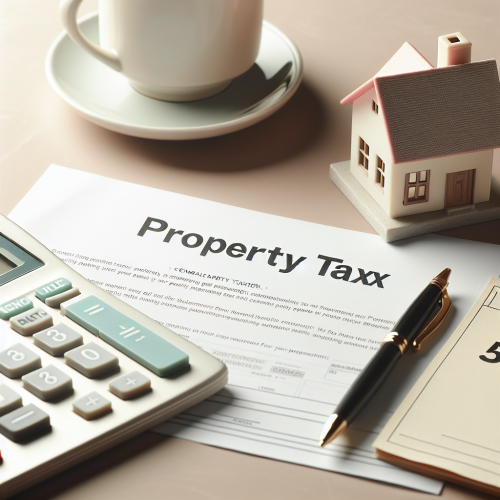
Property Taxes – Let me be real: property taxes can be a bit of a headache. The first time I bought a house, I had no idea what I was getting into with all these taxes. I thought the monthly mortgage was all I had to worry about, but boy, was I wrong. When that first property tax bill came in, I nearly choked on my coffee. I had no clue how it was calculated or where it came from, and to be honest, I was a little frustrated that no one had warned me about it earlier.
Since then, I’ve spent a lot of time learning the ins and outs of property taxes. There are so many nuances to it, and understanding how property taxes work can save you a lot of stress (and money) down the road. So, if you’re like me and need a bit of a guide to make sense of all this, here are five key insights that can help you navigate the property tax world.
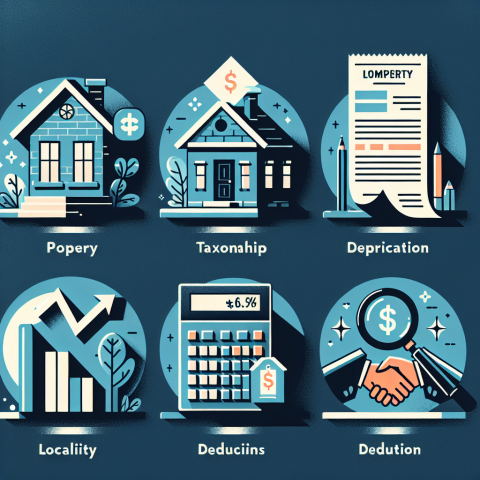
Table of Contents
ToggleWhat You Need to Know About Property Taxes: 5 Key Insights
1. Your Property’s Value Determines Your Taxes
Okay, this one seems obvious, but it took me a while to fully grasp. Property taxes are based on the value of your property. The higher your property’s value, the higher your taxes will likely be. When I first moved into my house, I thought the tax rate was set in stone, but it turns out that tax assessors periodically review your property to determine its market value. This value can change over time due to factors like improvements or the housing market’s general trends.
What threw me off is how that value can fluctuate from year to year, especially if you’re in a hot market where home prices are increasing fast. I was blindsided when my taxes went up the following year, and I had to scramble to understand why.
Tip: Keep track of any changes in your property’s value. If you’ve done significant renovations or improvements, you might see an increase in taxes. On the flip side, if property values in your area have dropped, it’s worth looking into whether your assessment needs to be reevaluated.
2. The Tax Rate Is Local, and It Varies Widely
Here’s a fun fact I wish I had known earlier: the property tax rate you pay isn’t the same across the board. It varies based on where you live. Cities, counties, and even school districts often set their own property tax rates. This can be a game-changer if you’re considering moving to a new area or buying a second home.
For example, in one city I lived in, the property tax rate was pretty low, and I didn’t mind paying it. But when I moved to a neighboring city, my taxes nearly doubled. The rate there was significantly higher, and I found myself wishing I had done more research beforehand.
Tip: Before buying a property, look up the local tax rate in the area. Sometimes, people get caught up in finding their dream home and forget about the taxes, but trust me—knowing what to expect can save you from surprises down the road.
3. Exemptions and Deductions Can Help Lower Your Tax Bill
Something I didn’t realize for a while is that there are ways to reduce your property tax bill. Many states or localities offer exemptions and deductions that can lower the amount you owe. For instance, there are homestead exemptions for homeowners, senior citizen exemptions, and even exemptions for veterans in some areas. In my case, I qualified for a homestead exemption, which knocked a significant chunk off my property taxes.
I wish I had known about these exemptions when I first bought my house. It wasn’t until I did a bit of digging that I found out I could apply for one. After that, I saw a noticeable decrease in my tax bill, and I felt like I had unlocked some secret knowledge.
Tip: Don’t assume you won’t qualify for exemptions or deductions. Check with your local tax authority or a tax professional to see what’s available in your area. A little research here can pay off big time.
4. Appealing Your Property Tax Assessment Is Possible
Let’s be honest—tax assessors aren’t always right. Maybe they’ve overvalued your property or missed something important that should affect the value. I’ve heard stories of people getting slammed with higher taxes because the assessor didn’t account for certain factors, like a noisy street or a less-than-ideal neighborhood.
The good news is, if you think your property has been overvalued, you can usually appeal the assessment. In my case, when my taxes went up unexpectedly, I took a close look at my property’s assessment and realized it was higher than it should have been. After a bit of paperwork and some back-and-forth with the tax assessor’s office, I was able to lower the assessed value and, as a result, lower my taxes.
Tip: Don’t be afraid to appeal your property tax assessment if you think it’s incorrect. It can feel like a hassle, but it’s totally worth it if it means paying less in taxes. Just be prepared to provide evidence to support your case.
5. Property Taxes Are Due Annually—But Payment Options Vary
You’ve probably noticed that property taxes are usually due once a year. In my case, I didn’t realize just how much I would have to budget for this bill. It hit me hard when that tax notice arrived in the mail. While some areas allow you to pay your taxes in installments, others require the full amount at once.
Luckily, many local governments offer different payment options, and I eventually found a payment plan that worked for me. Some places even let you pay through your mortgage company, which can make things a bit easier by spreading the payments out over the course of the year.
Tip: Find out what your payment options are and plan accordingly. Paying in one lump sum might be tough for some people, so ask if there’s a way to break the payments into smaller installments. It’s all about making the process more manageable.
Final Thoughts
Property taxes can be confusing, but they don’t have to be overwhelming. By understanding how property taxes work, researching your local rates, and knowing about available exemptions or deductions, you can make sure you’re not overpaying. And if something feels off with your assessment, don’t hesitate to appeal it. I’ve learned a lot through trial and error, but now I feel a lot more confident managing my property taxes. So, take it from me: stay informed and be proactive! It’ll make the whole process a lot less stressful and way more manageable.